
How the Paver Installation Process Works Step-by-Step
People searching for how the paver installation process works step-by-step are often looking to understand the project and find local contractors who can efficiently handle each stage.
Understanding how the paver installation process works step-by-step can be a valuable guide for property owners considering this type of upgrade. Whether planning a new patio, walkway, or driveway, knowing what to expect helps ensure the project runs smoothly and aligns with personal goals. Property owners in the area often explore this topic to make informed decisions, avoid common pitfalls, and better communicate with the service providers they choose. As you read further, you'll discover how local contractors who specialize in paver installation can assist at each stage, providing expertise to bring your vision to life efficiently and effectively.
Exploring the details of the paver installation process also highlights the importance of working with experienced service providers. These local contractors understand the unique considerations of the area, from soil conditions to design preferences, and can guide property owners through every phase-preparation, layout, installation, and finishing. Keeping this process in mind can help ensure the project meets expectations and enhances the property's value. Continue reading to learn more about each step and how local pros can support a successful paver installation tailored to specific needs.
- Patio or walkway installation - homeowners planning outdoor living spaces can rely on local contractors to handle the step-by-step process of paving, from site preparation to finishing touches.
- Driveway paving projects - property owners needing durable and attractive driveways can find local pros skilled in managing the entire installation process efficiently.
- Pool deck paving - those upgrading or installing pool decks can work with local service providers experienced in surface prep, base work, and precise paving techniques.
- Commercial paving services - businesses seeking to improve parking lots or walkways can connect with local contractors familiar with the step-by-step paving procedures.
- Resurfacing or repairing existing pavers - individuals looking to restore or extend the life of their paved surfaces can consult local pros who understand the detailed process involved.
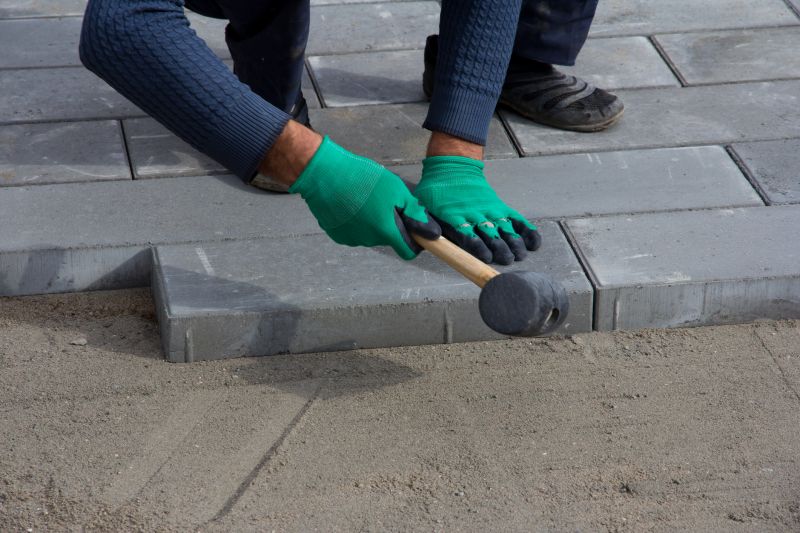
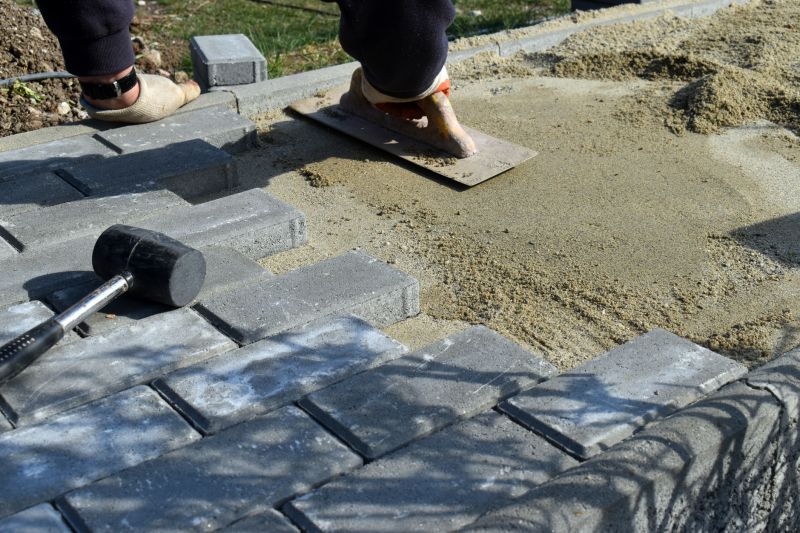
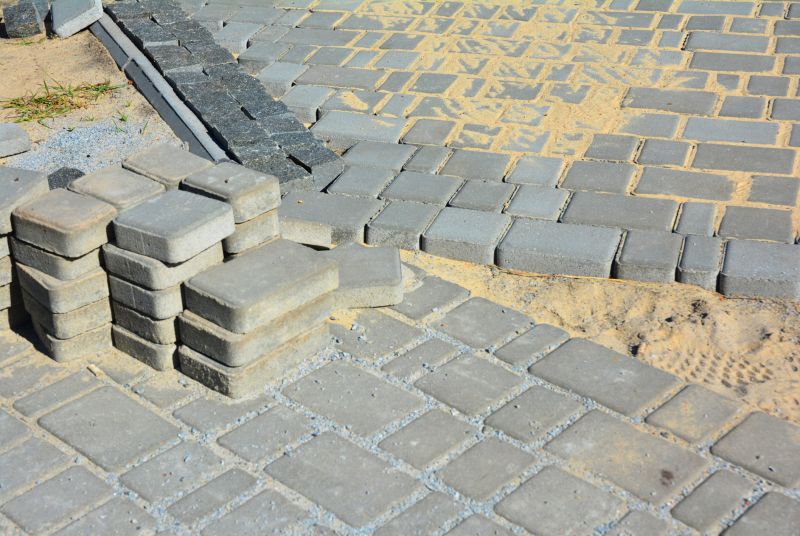
When homeowners search for how the paver installation process works step-by-step, they are often seeking a clear understanding of what to expect when planning a new outdoor surface or upgrade. This topic relates to projects such as installing patios, walkways, driveways, or pool decks, where durable, attractive paving is desired. Many property owners want to know the sequence of tasks involved, from initial site preparation to the final finishing touches, so they can better coordinate their plans and set realistic expectations. Understanding this process can help homeowners identify potential issues early on and ensure they’re working with experienced service providers who follow proper procedures.
The paver installation process typically begins with a thorough site assessment to determine the best layout and materials based on the property’s terrain and intended use. After that, the area is cleared of existing debris, vegetation, or old paving, if necessary. The next step involves excavating the soil to a suitable depth, which allows for the installation of a stable base material such as gravel or crushed stone. This base must be compacted properly to prevent shifting or settling over time. Once the base is prepared, a layer of bedding sand is spread and leveled to create a smooth surface for the pavers to rest on, ensuring an even and consistent finish.
Following the preparation phase, local contractors lay the pavers according to the chosen pattern, carefully aligning each piece for uniformity and aesthetic appeal. During this stage, they may use string lines or templates to maintain straight lines and proper spacing. After all the pavers are in place, a jointing sand is swept into the gaps to lock the pavers together and provide stability. The final step involves compacting the pavers with a plate compactor, which helps settle the sand and pavers into their final positions. Some projects may also include sealing or edging to enhance durability and prevent shifting, depending on the property’s specific needs.
This step-by-step process is applicable to a variety of properties, including residential yards, commercial plazas, and public parks. The size and complexity of each project can vary based on the scope and design preferences, but the core steps remain consistent. Homeowners should work with local service providers who have experience in this process, as proper execution at each stage ensures a long-lasting, attractive surface. These professionals can also provide guidance on suitable materials and design options, helping property owners achieve their desired outdoor space while avoiding common pitfalls like improper base preparation or uneven paving.
Concrete paving projects - local contractors skilled in concrete work often handle paving projects that require precise surface preparation and layering similar to paver installation processes.
Patio and walkway construction - these projects involve planning, leveling, and surface finishing techniques that align closely with the steps involved in paver installation.
Landscape design and hardscaping - professionals in this field frequently work with pavers and similar materials, requiring knowledge of site preparation and material placement.
Driveway installation services - driveway projects demand careful planning, base preparation, and surface sealing, paralleling the steps in paver installation.
Retaining wall construction - building retaining walls involves excavation, base setting, and structural stability work similar to foundational steps in paver projects.
Stone and tile installation - these services require precise surface leveling and material placement, skills that are also essential in paver installation processes.
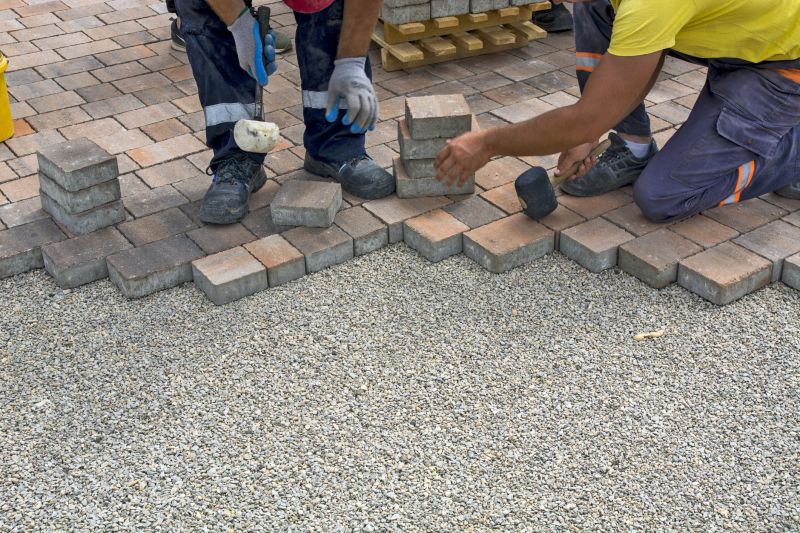
When comparing local contractors for paver installation services, it’s important to consider their experience with similar projects. Homeowners should look for service providers who have a proven track record of handling paver installations comparable in scope and style to their own. An experienced contractor is more likely to be familiar with the nuances of the installation process, from site preparation to finishing touches, which can help ensure the project progresses smoothly and meets expectations. Asking for details about past work or references related to similar installations can provide insight into their expertise and reliability.
Clear written expectations are essential when evaluating potential service providers. Homeowners should seek contractors who offer detailed descriptions of the steps involved in the paver installation process, including what is included and what may be additional. This clarity helps prevent misunderstandings and ensures everyone is aligned on the scope of work. A reputable contractor will be transparent about timelines, materials, and procedures, making it easier for homeowners to compare proposals and select a provider who communicates openly and thoroughly.
Reputable references and strong communication are key factors in choosing the right local pros. Homeowners should inquire about previous customers’ experiences and request references that can speak to the contractor’s professionalism, quality of work, and adherence to timelines. Good communication throughout the process, from initial consultation to project completion, indicates a contractor’s commitment to customer satisfaction and their ability to address questions or concerns promptly. These qualities can significantly impact the overall experience and outcome of the paver installation project.
Property owners often search for how the paver installation process works step-by-step when they are planning practical projects around their homes and businesses. Local pros provide Paver Installation Process services for everyday jobs and straightforward project options.
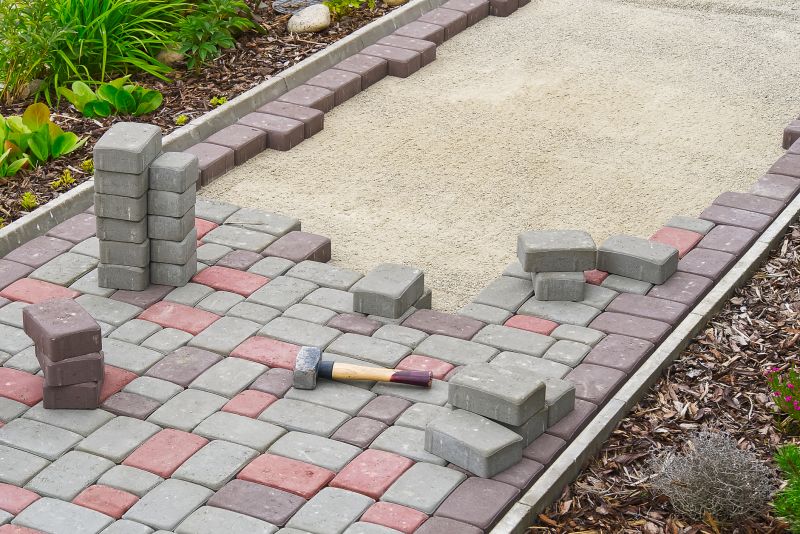
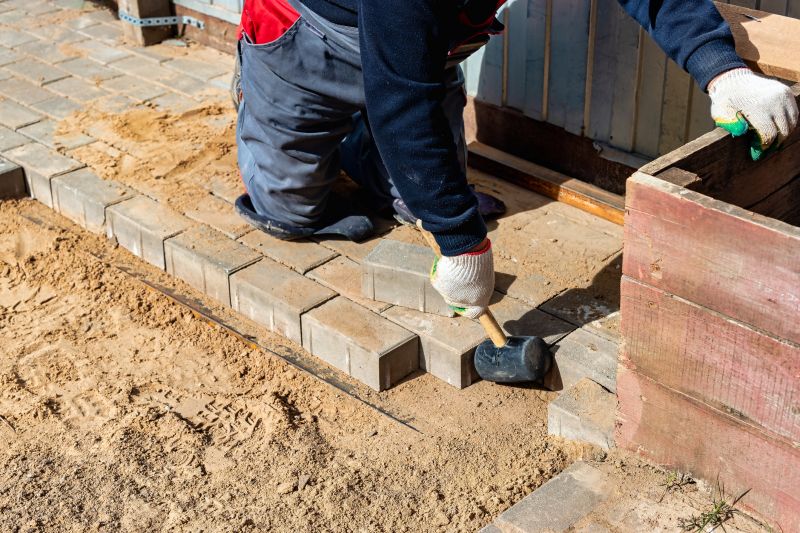
Understanding how the paver installation process works step-by-step can help property owners in the area plan their outdoor projects with confidence. Typically, local contractors start by preparing the site, which involves clearing the area and ensuring a solid, level foundation. This initial phase is crucial for creating a durable surface that can withstand regular use. Once the groundwork is complete, the pros lay down the base materials and set the pavers in the desired pattern, making adjustments for proper alignment and spacing. This straightforward process is often sought after by homeowners looking to enhance their driveways, walkways, or patios with a professional touch.
Many property owners turn to local service providers because they want a reliable, efficient installation that will stand the test of time. The process usually concludes with filling the joints between pavers with sand or another stabilizing material, which helps keep everything in place. Throughout the project, experienced contractors ensure the pavers are properly compacted and finished for a smooth, even surface. This step-by-step approach offers a practical solution for those looking to improve their outdoor spaces, with local pros ready to handle each phase of the paver installation process efficiently and effectively.
What are the main steps involved in the paver installation process? The process typically includes site preparation, laying a foundation, placing the pavers, and finishing touches. Local contractors can guide through each stage to ensure proper installation and durability.
How do local service providers prepare the site for paver installation? They clear the area, remove existing materials if necessary, and level the ground to create a stable base for the pavers, ensuring a solid foundation for the project.
What methods do contractors use to lay the pavers during installation? Pavers are carefully placed in patterns or designs, with spacing and alignment checked frequently. Proper jointing and leveling techniques are used for a uniform surface.
What is involved in the finishing process after pavers are installed? Contractors may add jointing sand, compact the surface, and apply sealants if desired to enhance appearance and longevity of the paved area.
How can local pros ensure the paver installation process is completed correctly? Experienced service providers follow established installation steps, use quality materials, and adhere to best practices for a durable, visually appealing result.
Preparing the site - property owners can work with local contractors to clear the area and ensure a level foundation for paver installation.
Designing the layout - planning the pattern and selecting paver styles helps property owners visualize their outdoor space before installation begins.
Excavating and base installation - local pros can handle digging and laying a solid base to support the pavers and prevent shifting over time.
Laying and finishing the pavers - property owners can oversee the placement of pavers and work with service providers to complete the surface with proper edging and jointing.
If you are thinking about how the paver installation process works step-by-step for a property, this guide is meant to help you understand this topic, the typical project types, and how different options might fit your plans.
When you are ready, you can use the quote form on this page to share a few details about your project. From there, local pros can review the basics and follow up with options that match what you have in mind.